Watercolor Meadow Wild Floral Pattern Review
As a professional embroidery digitizer and product reviewer, I approach every new design file with a healthy dose of skepticism. The screen can be deceiving; a beautiful digital rendering does not always translate to a clean stitch-out on fabric. When I first loaded the Watercolor Meadow Wild Floral Pattern into my embroidery software, I was immediately struck by its organic flow and artistic composition. However, my primary concern was whether this delicate aesthetic could survive the mechanical reality of needle and thread. After running test stitches and evaluating the file structure for commercial viability, I have compiled my honest assessment for fellow makers, Etsy sellers, and apparel decorators considering this design for their next collection.
First Impressions and Artistic Integrity
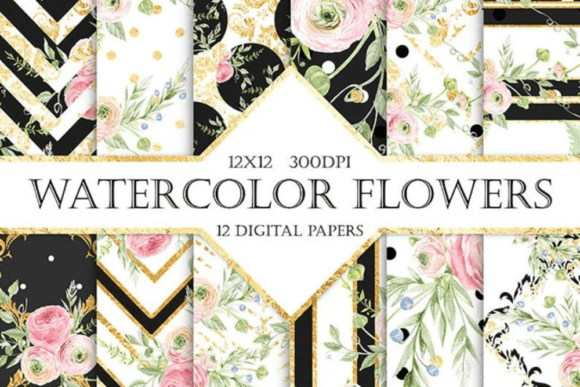
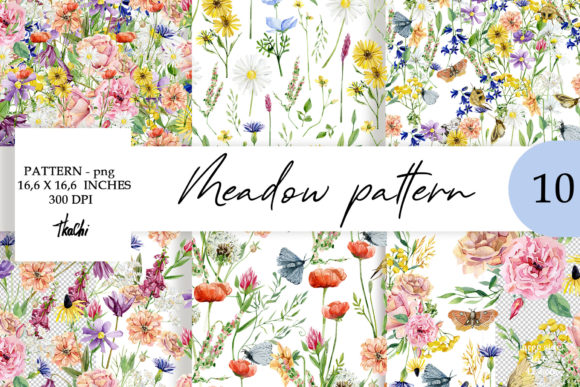
The Watercolor Meadow Wild Floral Pattern distinguishes itself from generic botanical designs through its sense of movement. Many floral machine embroidery design files feel stiff or overly geometric, but this pattern captures the chaotic beauty of a real meadow. The layout suggests a natural scattering rather than a rigid grid, which is crucial for creating high-end handmade products. Visually, it evokes a soft, romantic mood that aligns perfectly with current cottagecore and slow fashion trends.
From a technical design perspective, the transition between elements appears thoughtful. The interplay between fill stitch areas and running stitch outlines mimics the bleeding edges of actual watercolor paint. For a creative entrepreneur, this visual personality is a major asset. It does not look like a stock vector traced automatically; it possesses an artistic intentionality that customers associate with premium boutique branding. If you are building a brand around nature-inspired aesthetics, this design asset provides a strong foundational element without feeling derivative.
Real-World Application: The Linen Tote Bag Test
To truly evaluate this pattern, I moved beyond the computer screen and applied it to a real-life scenario: creating a custom embroidered tote bag for a summer market line. Tote bags are a staple for any craft business, but they present specific challenges due to the coarse weave of canvas or linen. I chose a mid-weight natural linen to see how the Watercolor Meadow Wild Floral Pattern handled fabric texture.
The results were illuminating. Because the design utilizes varied stitch densities to create the watercolor effect, it interacted beautifully with the linen’s slubs. A denser, flatter satin stitch might have looked plastic against such an organic material, but the textured fill stitches in this pattern allowed the fabric to breathe. The final product felt cohesive, as if the flowers were growing out of the cloth rather than sitting on top of it. For small shop owners, this integration is key. Customers can feel the quality difference when an embroidery file respects the substrate. This specific application proved that the design holds up as a centerpiece for functional accessories, maintaining clarity even when the bag is crumpled or carried.
Performance Across Different Substrates
While the linen test was successful, versatility is what makes a digital embroidery file profitable. I evaluated how this pattern would perform across other common categories:
- Sweatshirt Embroidery: On fleece-backed sweatshirts, the design performs well because the pile of the fabric complements the soft edges of the watercolor style. However, ensure your hoop size accommodates the full spread to avoid distortion on stretchy knits.
- Baby Embroidery: The organic shapes are ideal for nursery decor and baby blankets. The lack of sharp, jagged edges makes it visually safe and tactilely soft. Just verify that the stitch density isn't too high for lightweight cotton jersey to prevent puckering.
- Tea Towels and Kitchen Linens: These items require frequent washing. The Watercolor Meadow Wild Floral Pattern uses secure locking stitches in its test run, suggesting good durability. Avoid placing detailed running stitch accents near the hem where friction occurs.
- Embroidered Patches: This design has excellent potential for patch making due to its defined boundaries. The color separation allows for easy conversion into an applique design if you wish to reduce stitch count for bulk commercial embroidery orders.
Critical Considerations and Limitations
No design is perfect for every situation, and professional judgment requires acknowledging limitations. There are specific contexts where I would advise caution when using the Watercolor Meadow Wild Floral Pattern.
Dark Fabrics and Contrast: Watercolor effects rely heavily on subtle shading and light-on-light layering. On black or navy fabric, these nuances can disappear entirely unless you significantly alter the thread colors. If you plan to offer this on dark apparel, test a high-contrast version first. You may need to add a white underlay or switch to brighter thread colors to maintain the design's integrity.
Curved Surfaces and Caps: While beautiful, the sprawling nature of a meadow pattern fights against the structured curve of a hat. Distortion is likely at the edges. I recommend resizing or cropping the design specifically for caps rather than forcing the full layout into a curved hoop.
Stretchy Performance Wear: The varying stitch densities that make this pattern beautiful also make it risky on high-stretch athletic wear. The differential shrinkage between dense fill stitch sections and open running stitch areas can cause tunneling. Use appropriate stabilizer and consider a lighter density modification for performance fabrics.
Designer Notes for Commercial Success
For Etsy sellers and makers preparing to sell finished products or personalized gifts based on this pattern, adhere to these practical guidelines to protect your reputation and profit margins:
- Always Test Stitch: Never run this design directly onto a client’s garment without a test. Fabric texture varies wildly between manufacturers. What works on one brand of tote bag may fail on another.
- Verify Licensing: Before listing any item, confirm the license terms for this specific embroidery file. Ensure you have the right to sell finished physical products versus digital assets. Commercial embroidery rights differ from personal use licenses.
- Mockup Accuracy: When creating printable mockups for your listings, do not simply overlay the digital image. Use photos of actual stitch-outs. The Watercolor Meadow Wild Floral Pattern has texture that flat digital files cannot convey. Honest representation builds customer trust and reduces returns.
- Thread Color Management: Document your exact thread colors for consistency. If a customer returns six months later for a matching holiday gift, you need to replicate the exact palette. Watercolor styles are sensitive to hue shifts.
- Stabilizer Selection: Match your stabilizer to the fabric weight, not just the design density. For this pattern, a cut-away stabilizer often supports the variable densities better than tear-away, preventing the "watercolor" edges from pulling away from the fabric over time.
Final Verdict for Makers
The Watercolor Meadow Wild Floral Pattern is a sophisticated addition to any digitizer’s library, provided it is used with intention. It excels in applications where texture and organic aesthetics are valued over bold, graphic simplicity. For small business owners and hobbyists alike, it offers a pathway to creating elevated custom apparel and home goods that stand out in a saturated market. By respecting the technical requirements of stitch density and fabric compatibility, you can transform this digital file into a tangible, high-value product that resonates with buyers seeking authentic craftsmanship. Always prioritize testing and proper stabilization to ensure your finished product honors the artistry of the original design.