Sketching Painting Realistic Figs: Editorial Review
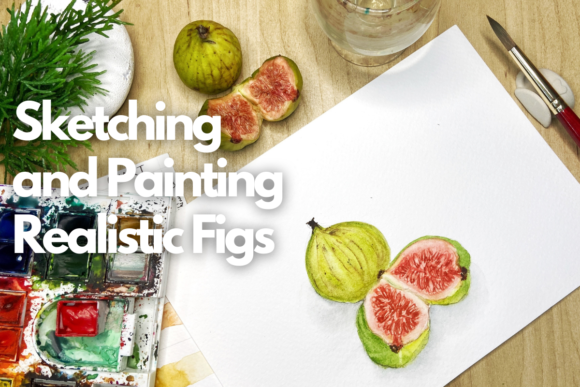
As a digital publisher and blog designer, I constantly evaluate visual assets not just for their aesthetic beauty, but for their functional utility in a real content workflow. When I first encountered the Sketching Painting Realistic Figs asset, my immediate assessment focused on its editorial versatility. This is not merely a decorative illustration; it is a sophisticated graphic design asset that bridges the gap between fine art and commercial web design. The mood it establishes is distinctly organic, tactile, and grounded. It evokes a sense of slow living, culinary appreciation, and natural wellness without feeling overly rustic or dated.
For content creators operating in niches like food blogging, botanical education, sustainable living, or artisanal e-commerce, this painting offers an instant elevation of brand identity. Unlike generic stock photography, the hand-painted texture provides a unique visual signature that signals authenticity to readers. In an era where AI-generated imagery is flooding the market, the deliberate imperfections and realistic shading in this fig painting communicate human craftsmanship. This directly impacts reader trust, suggesting that the content behind the image is equally thoughtful, researched, and curated.
Strategic Applications Across Publishing Workflows
In my daily publishing operations, I need assets that can multitask across various platforms while maintaining visual consistency. The Sketching Painting Realistic Figs excels here because of its balanced composition and neutral yet warm color palette. Here is how I envision integrating this asset into specific content marketing deliverables:
- Blog Featured Images: The painting serves as an exceptional hero image for articles about seasonal eating, Mediterranean diets, or art tutorials. Its realistic detail holds up well at large desktop widths without pixelating, provided the source file is high resolution.
- Pinterest Pin Design: Vertical graphics require strong focal points. The organic shape of the figs creates natural negative space for headline text, making it ideal for high-performing Pinterest pins that drive traffic to recipe posts or gardening guides.
- Digital Products and Lead Magnets: If you are creating a downloadable PDF, such as a meal planner or a botanical sketching guide, this asset adds perceived value. It transforms a simple document into a premium digital product that users are more likely to save and share.
- Email Newsletter Headers: Email clients often strip complex backgrounds. This painting works beautifully as a standalone header graphic that sets a welcoming tone before the subscriber even reads the subject line.
- Affiliate Marketing Visuals: For reviews of kitchen tools, art supplies, or organic skincare, using this painting as a background or accent element softens the commercial intent, making affiliate content feel more like editorial recommendation than hard selling.
Enhancing Visual Hierarchy and Click-Through Rates
Visual hierarchy is the silent conductor of user experience. A pretty image that distracts from the headline is a failed asset. What makes Sketching Painting Realistic Figs effective for web design is its inherent contrast management. The rich tones of the fruit against the lighter background allow for clear text overlay when necessary, or it can stand alone as a breathing point in dense textual layouts.
From a performance standpoint, unique artistic assets like this tend to outperform generic photography in click-through rates (CTR) on social feeds. Scrollers are conditioned to ignore polished stock photos, but a realistic painting interrupts the pattern. It invites curiosity. When used consistently across category thumbnails and social media graphics, it builds a cohesive brand identity. Readers begin to associate this specific artistic style with your publication, creating a visual shorthand that aids in content recognition and audience retention.
Editorial Contexts Where This Asset Shines
While versatile, this painting is not a universal solution. Based on my testing in various layout environments, it performs best in specific editorial contexts:
- Culinary and Recipe Blogs: Particularly for autumn menus, jam-making tutorials, or farm-to-table narratives.
- Art and Creative Education: Perfect for courses on watercolor techniques, still life composition, or color theory.
- Wellness and Slow Living: Supports content regarding mindfulness, natural nutrition, and seasonal rituals.
- Stationery and Printable Shops: Ideal for showcasing paper goods, journal covers, or wall art listings.
- Literary and Poetry Sites: The classical realism pairs exceptionally well with serif typography and long-form prose.
Navigating Limitations and Usage Cautions
An experienced publisher knows where an asset fails. I would advise caution when using Sketching Painting Realistic Figs in highly technical, corporate, or minimalist tech niches. The organic warmth may clash with the sterile precision required for SaaS landing pages or financial reporting. Additionally, be mindful of mobile thumbnails. Because the painting relies on subtle textural details, shrinking it too aggressively can result in a muddy appearance. Always test the asset at 300px width to ensure the subject remains legible on small screens.
Furthermore, avoid placing this painting on busy backgrounds or alongside other ornate decorative elements. It demands whitespace to breathe. Pairing it with heavy grunge textures or neon colors will create visual dissonance that undermines the professional quality of your site. It works best when allowed to be the primary visual anchor.
Technical Pre-Flight Checklist for Publishers
Before deploying this design asset to a live production environment, run through this practical checklist to ensure optimal performance and legal compliance:
- Typography Pairing: Test the painting beside your site’s font stack. It pairs naturally with elegant serifs (like Playfair Display) for a classic look, or clean sans-serifs (like Montserrat) for modern contrast. Avoid overly distressed handwritten fonts that compete with the brushwork.
- Contrast Verification: Use accessibility tools to check text readability if overlaying headlines. You may need a subtle dark or light gradient overlay to meet WCAG standards.
- File Optimization: Artistic textures can result in large file sizes. Compress the image using WebP format to maintain quality while reducing load times. Aim for under 150KB for web use.
- Grayscale Testing: View the asset in black and white. If the values flatten out, it may not work for print media or monochrome newsletter versions.
- Licensing Confirmation: Crucially, verify the commercial license terms. Ensure you have the right to use the asset on monetized blogs, in paid Canva templates, or on merchandise. Never assume personal-use licenses cover commercial publishing.
- Mobile Preview: Check the crop on actual devices. Ensure the focal point of the figs isn't cut off by responsive CSS rules on narrow viewports.
Final Verdict for Content Creators
The Sketching Painting Realistic Figs is a high-value addition to any creative entrepreneur’s asset library. It solves a specific problem: the need for visuals that feel authentic, premium, and narratively rich. Whether you are designing a lead magnet, refreshing your website header, or building a library of social media graphics, this painting delivers editorial polish that generic alternatives cannot match. By treating this asset as a strategic component of your visual communication system rather than mere decoration, you enhance both the aesthetic quality and the commercial effectiveness of your digital publishing efforts.