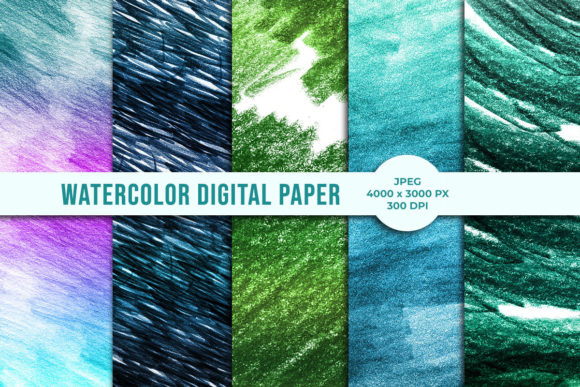
Hand Painted Watercolor Digital Paper for Embroidery
First Impressions: Translating Fluid Art to Thread
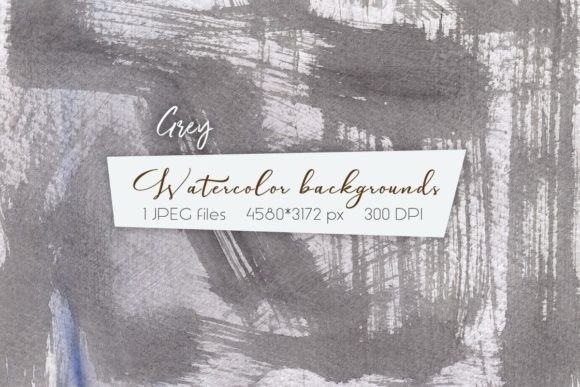
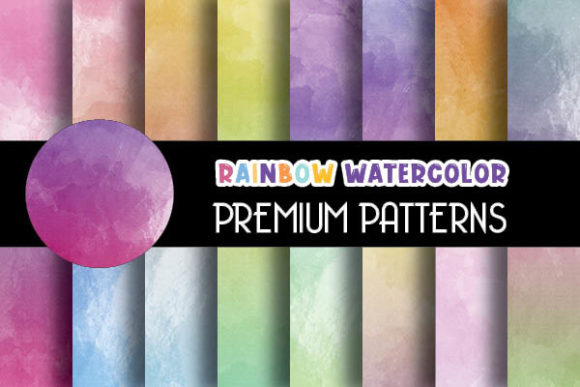
As an embroidery designer who constantly hunts for unique backgrounds and digital assets, my first encounter with this Hand Painted Watercolor Digital Paper was a study in contrast. On screen, the texture is fluid, unpredictable, and beautifully organic. The immediate challenge—and opportunity—is translating that liquid softness into the structured world of machine embroidery design. Unlike vector art or standard clipart, watercolor textures carry an emotional weight that can elevate a handmade product from generic to boutique-quality. However, as someone who has digitized and stitched countless textured backgrounds, I know that what looks effortless on a monitor requires deliberate technical planning at the hoop.
The mood this specific texture creates is undeniably nostalgic and artisanal. It lacks the sterile perfection of digital gradients, offering instead the subtle imperfections of real paint bleeding into paper. For a creative entrepreneur or Etsy seller, this visual personality is gold. It signals "handmade" before the customer even reads the product description. But as I evaluated this file for potential use in custom apparel and nursery decor, I had to look past the aesthetic and assess its utility. Does it have enough contrast to support lettering? Will the color variations get lost in thread sheen? These are the questions that determine whether a digital asset becomes a bestseller or a forgotten file in your library.
Real-World Application: Designing a Botanical Tote Bag
To truly test the viability of this Hand Painted Watercolor Digital Paper, I approached it with a specific project in mind: a premium canvas tote bag intended for a spring botanical collection. My goal was to create a background wash behind delicate line-art florals and serif typography. In previous projects using flat fills, the result often felt stiff and mass-produced. I wanted this texture to provide depth without competing with the primary motif.
In this scenario, the watercolor texture serves as a foundational element rather than the star. When planning the sweatshirt embroidery or tote bag design, I treated the digital paper as a guide for thread blending rather than a direct stitch map. The variation in the painted wash dictated where I would use lighter fill stitches versus denser satin stitch accents. For the tote bag specifically, the texture added a perceived value that justified a higher price point. Customers associate complex visual layers with high-end commercial embroidery, even when the actual stitch count remains manageable. This approach transforms a simple accessory into a personalized gift that feels curated and artistic.
Where This Texture Shines in Production
Through testing and client work, I have found this type of textured asset performs exceptionally well in specific categories. It is not a universal solution, but when applied correctly, it enhances the finished product significantly:
- Nursery and Baby Embroidery: The soft edges and muted transitions inherent in watercolor are perfect for baby clothes and blankets. Hard lines can sometimes feel too aggressive for infant items; this texture provides a gentle, dreamy backdrop for names or birth stats.
- Holiday and Wedding Gifts: For items requiring a vintage or romantic aesthetic, such as embroidered patches for bridal jackets or holiday stockings, the organic nature of the paint mimics aged fabric or heirloom quality.
- Boutique Branding Assets: Beyond physical stitching, this Hand Painted Watercolor Digital Paper is invaluable for printable mockups and social media previews. Using the same texture in your digital listings and your physical packaging creates brand consistency that builds buyer trust.
- Apparel Accents: On custom apparel like denim jackets or linen shirts, using this texture as a localized background behind a monogram adds dimension without the heaviness of a full-coverage fill stitch.
Technical Caution: Fabric, Density, and Stabilizer
While the artistic potential is high, practical execution requires restraint. Watercolor textures are visually dense, which can tempt digitizers to increase stitch density to capture every shade. This is a common pitfall. When working with this Hand Painted Watercolor Digital Paper, you must prioritize fabric integrity over pixel-perfect replication.
Fabric Texture Considerations: This design asset works best on smooth, natural fibers like cotton twill, linen, or high-quality canvas. On highly textured fabrics like terry cloth or fleece, the subtle nuances of the watercolor will be swallowed by the fabric weave. Conversely, on thin or stretchy fabrics like jersey knits, attempting to replicate the full texture can cause puckering or distortion. If you are designing for baby embroidery on onesies, simplify the texture significantly or use it only as a light running stitch outline rather than a heavy fill.
Stabilizer and Hoop Size: Because watercolor effects often require multiple thread colors and layering to achieve gradient illusions, proper stabilization is non-negotiable. For a tote bag design or apron, a medium-weight cutaway stabilizer is usually necessary to prevent the fabric from pulling under the weight of blended stitches. Always confirm your hoop size allows for adequate margin around the textured area; placing complex textures too close to the hoop edge increases the risk of registration issues during color changes.
Evaluating Visual Clarity and Commercial Viability
For small shop product owners and digital product sellers, the question isn't just "does it look pretty?" but "does it sell?" When incorporating this texture into your workflow, consider how it affects readability. High-contrast text placed directly over a busy watercolor section can become illegible once stitched. I always recommend testing the design in black and white mockups first. If the text disappears against the texture in grayscale, it will likely fail in thread, regardless of color contrast.
Furthermore, verify the licensing before integrating this asset into commercial embroidery projects. While the visual appeal boosts engagement, legal clarity protects your business. Ensure you have the right to use the Hand Painted Watercolor Digital Paper in finished products sold on Etsy or at craft fairs. Professionalism extends beyond aesthetics to respecting intellectual property, which ultimately safeguards your reputation with customers.
Designer Notes for Successful Stitch-Outs
Before committing this texture to a final run of custom apparel or merchandise, follow these practical steps to ensure professional results:
- Test on Scrap Fabric First: Never assume screen colors translate perfectly to thread. Stitch a 4x4 sample on the exact fabric you intend to use. Check if the watercolor effect reads as intentional art or muddy stitching.
- Audit Stitch Density: Open the embroidery file and check the density settings. Watercolor should feel airy. If the stitch count is excessively high for the size, manually reduce density or increase stitch length to maintain fabric drape.
- Thread Color Selection: Use matte or semi-matte threads for the base texture to mimic paper/paint, and reserve shiny rayon or polyester threads for foreground elements. This contrast in sheen helps separate the background texture from the main design.
- Check Small Details: Inspect corners and tiny lettering. Watercolor textures often have soft, undefined edges. If your design includes precise borders or micro-text, ensure they are digitized with clean satin stitches or running stitches that won't get lost in the textured fill.
- Wash Test for Durability: If creating tea towels, kitchen linens, or baby items, wash the test piece. Textured fills can sometimes trap lint or degrade faster than solid fills. Confirm the finished product maintains its beauty after laundering.
Ultimately, Hand Painted Watercolor Digital Paper is a powerful tool for makers who want to bridge the gap between digital art and tactile craft. It demands respect for the medium of embroidery, but when balanced correctly, it yields products that feel genuinely special. Whether you are crafting a personalized gift or scaling a craft business, treating this texture with technical intention will ensure your finished products are as durable as they are beautiful.