Gold Torn Edge Paper Textures for Digital Products
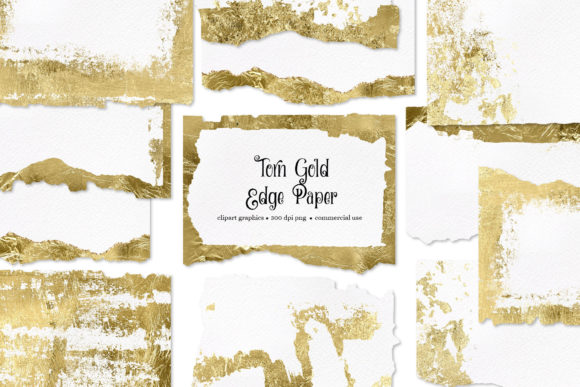
As a digital product creator constantly scouting for assets that elevate my shop’s perceived value, my first impression of Gold Torn Edge Paper was one of immediate commercial viability. This is not merely a background element; it is a strategic graphic design asset that bridges the gap between rustic charm and premium elegance. For sellers on Etsy, Creative Fabrica, or independent Shopify stores, this texture carries a specific visual personality that signals luxury without feeling stuffy. The mood strikes a balance between handmade authenticity and polished professionalism, making it particularly appealing to buyers in the wedding, boutique branding, and high-end stationery niches. When evaluating textures for a new collection, I look for versatility, and this gold foil effect combined with organic torn edges offers a unique tactile quality that flat vector graphics simply cannot replicate.
Evaluating Commercial Viability for Printables and POD
In a real-world shop scenario, I tested Gold Torn Edge Paper across multiple product categories to determine its actual utility for sellable goods. For printable wall art and greeting cards, the texture adds necessary depth. Flat digital prints often lack soul, but layering this asset behind typography creates an instant focal point. I found it exceptionally useful for creating sublimation designs for tumblers and mugs. The metallic sheen translates beautifully onto ceramic and coated metal surfaces, provided the file resolution is sufficient. For print-on-demand sellers focusing on apparel, this texture works best as an accent rather than a full-coverage print. A t-shirt design featuring a central quote framed by gold torn edges feels far more expensive than standard text, justifying a higher price point.
For Cricut users and crafters selling physical stickers or scrapbooking kits, the application requires a different approach. While the PNG design is stunning for digital overlays, those intending to cut this asset must verify the SVG cut lines. Intricate torn edges can sometimes result in jagged cuts on vinyl or cardstock if the vector paths are not optimized. However, for digital planner stickers or Canva template elements where no physical cutting occurs, the detail level is perfect. I successfully integrated this into social media templates for small business branding, where the gold texture served as a consistent brand anchor across Instagram posts and Pinterest pins.
Enhancing Listing Images and Product Mockups
One of the most underrated uses of Gold Torn Edge Paper is in product presentation itself. In a crowded creative marketplace, thumbnail appeal dictates click-through rates. I utilized this texture as a framing device for my listing images, placing it behind product mockups to create visual hierarchy. The contrast between the warm gold tones and clean white space draws the eye immediately. This technique significantly improved the perceived value of my digital download bundles. Customers associate gold foil textures with premium quality, and using this asset in your marketing visuals communicates that your products are worth the investment.
Furthermore, this asset excels in visual storytelling for seasonal collections. Whether preparing for a holiday launch or a spring refresh, the neutral yet celebratory nature of gold allows it to transition between themes seamlessly. I used it to unify a disparate set of clipart and illustrations into a cohesive design bundle. By applying the same torn edge texture across various items, the collection looked curated and professional rather than random. This consistency builds customer trust and encourages bulk purchases, as buyers recognize a unified brand identity across your shop.
Strategic Placement: Where This Asset Shines
Through testing, it became clear where Gold Torn Edge Paper performs best within a commercial workflow. Large-format applications are its sweet spot. Printable posters, certificate borders, and invitation suites allow the intricate details of the tear and the shimmer of the gold to be fully appreciated. It is also highly effective for packaging design elements, such as thank-you cards or digital receipt backgrounds, where adding a touch of luxury enhances the unboxing experience. For content creators and bloggers, using this texture as a header background or pull-quote highlight adds a sophisticated editorial feel that aligns well with lifestyle, beauty, or finance niches.
The asset also serves as an excellent base for composite digital art. When creating mixed media pieces or junk journal pages, the gold texture provides a foundational layer that ties together vintage ephemera and modern typography. For Canva template sellers, offering this as a pre-masked frame element saves end-users time, increasing the utility and saleability of your templates. The key is leveraging the texture's ability to act as both a decorative border and a standalone illustration depending on the scale and context of the project.
Navigating Limitations and Technical Risks
Despite its strengths, Gold Torn Edge Paper demands careful handling to avoid amateur results. It should be used cautiously in tiny sticker details or complex layouts where the texture might compete with essential information. The busy nature of torn edges can reduce readability if placed directly behind small body text. Always ensure sufficient negative space between the textured edge and your copy. Additionally, dark backgrounds require rigorous contrast testing. Gold on black is classic, but gold on dark grey or navy can sometimes disappear in low-resolution previews or when printed on uncoated paper.
Technical verification is non-negotiable before listing any product featuring this asset. I always test print colors first, as metallic golds can sometimes render as muddy mustard yellows on standard home printers. Sellers must provide accurate color profiles or disclaimers regarding print expectations. Verify PNG transparency meticulously; stray pixels around the torn edges look unprofessional when layered over colored backgrounds in customer projects. For SVG designs intended for cutting machines, simplify the node count. Overly complex raster-to-vector conversions can crash software or produce poor cuts. Finally, always confirm the commercial license terms. Ensure you are permitted to use the texture in end-products for sale, especially for print-on-demand merchandise where licensing restrictions can vary significantly between providers.
Final Seller Notes for Implementation
To maximize the return on investment for Gold Torn Edge Paper, pair it intentionally with complementary typography. Serif fonts enhance the traditional, elegant vibe, while bold sans serifs create a modern juxtaposition. Script fonts work well for wedding niches but require careful spacing to maintain legibility against the textured background. Organize your files clearly for customers; separate high-resolution PNGs from cut-ready SVGs and include a PDF guide showing usage examples. This reduces support tickets and increases customer satisfaction.
Ultimately, this graphic design asset is a powerful tool for creative entrepreneurs who understand that texture equals value. It transforms flat digital files into tangible-feeling experiences. By testing thoroughly, respecting technical limitations, and applying it strategically across mockups and products, Gold Torn Edge Paper can become a staple in your commercial design toolkit. It supports a professional aesthetic that resonates with buyers looking for quality, helping your handmade business stand out in an increasingly saturated digital marketplace. Treat it not just as a decoration, but as a fundamental component of your brand identity and product development strategy.