French Bulldog Watercolor: A Stitch-Out Review
As an embroidery designer who constantly evaluates digital assets for commercial viability, I approach every new file with a healthy dose of skepticism. We have all purchased designs that look stunning on screen but turn into thread nests or muddy blobs once the needle hits the fabric. When I first loaded the French Bulldog, Watercolor machine embroidery design into my software, I was looking for more than just a cute holiday motif; I was assessing its structural integrity for real-world production. This review breaks down how this specific design performs when moved from the computer monitor to the embroidery hoop, specifically for makers and shop owners planning their seasonal inventory.
Translating Paint to Thread: Visual Texture Analysis
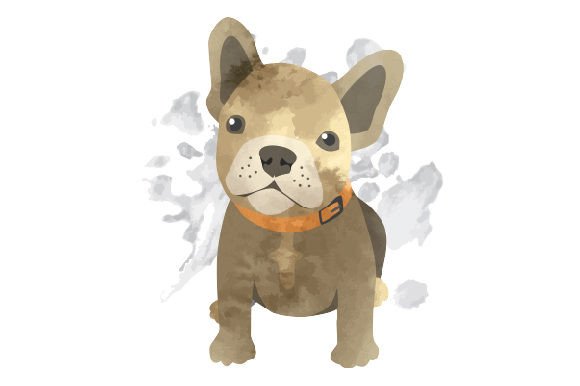
The immediate challenge with any watercolor-style embroidery file is capturing the fluidity of paint using rigid thread. In my initial inspection, this French Bulldog, Watercolor design succeeds because it avoids the common pitfall of excessive density. Many digitizers try to replicate watercolor by layering heavy fill stitches, which results in a bulletproof patch that puckers lightweight fabrics. Instead, this design appears to utilize a strategic mix of running stitches and lighter fill areas to mimic brush strokes.
For a crafter or Etsy seller, this distinction matters immensely. The visual personality of the design feels soft and artistic rather than industrial. It creates a mood that bridges the gap between traditional Christmas embroidery and modern nursery aesthetics. When evaluating the shape and layout, the French Bulldog’s silhouette is distinct enough to be recognizable even at smaller sizes, yet the internal detailing relies on color blending rather than harsh outlines. This makes it an excellent candidate for projects where you want the embroidery to feel integrated with the fabric, not merely sitting on top of it.
Real-World Application: The Holiday Sweatshirt Test
To truly judge this design, I mentally placed it in a specific production scenario: creating a premium holiday sweatshirt for a small shop product line. French Bulldogs are a perennial favorite, but during the Christmas season, customers are looking for something that feels festive without being gaudy. This watercolor interpretation offers that sophistication.
In a custom apparel context, particularly on fleece or cotton blends, the stitch density of this design is crucial. If you are producing sweatshirt embroidery for sale, you need a design that remains soft against the skin. Based on the construction of this French Bulldog, Watercolor file, it should drape well with the garment rather than creating a stiff board-like area on the chest. For handmade product creators, this means higher perceived value. Customers can tell the difference between a dense, mass-market digitization and a thoughtful, artistic render. This design supports the latter, making it ideal for boutique branding where quality overrides quantity.
Furthermore, consider the versatility for personalized gifts. Because the watercolor style leaves some negative space and softer edges, it pairs beautifully with simple block lettering or script names below the motif. It does not compete visually with personalization, allowing you to offer custom options without the design feeling cluttered.
Fabric Compatibility and Stabilizer Strategy
While the design is versatile, it demands respect regarding fabric choice. Watercolor effects rely heavily on thread color contrast and sheen. Here is where practical judgment comes into play for your embroidery project:
- Light vs. Dark Fabrics: This design will shine brightest on white, cream, or pastel backgrounds. On dark fabrics, the subtle color gradients typical of watercolor may get lost unless the digitizer included a white underlay base. Always test on a scrap of your intended dark fabric first to ensure the colors pop as expected.
- Textured Surfaces: Avoid using this on highly textured fabrics like terry cloth or thick ribbed knits. The fine details meant to simulate paint washes will sink into the texture, muddying the image. Smooth cottons, linen, and stable fleece are your best friends here.
- Stabilizer Selection: For a tote bag design or apron, a medium-weight cutaway stabilizer is usually sufficient. However, if you are attempting baby embroidery on delicate onesies, switch to a lightweight mesh cutaway to prevent show-through while maintaining registration. The goal is to keep the French Bulldog’s expression crisp without adding unnecessary bulk.
Commercial Viability for Makers and Sellers
For those running a craft business or selling on platforms like Etsy, this French Bulldog, Watercolor design serves as a strong asset for digital product previews and printable mockups. The artistic nature of the design photographs exceptionally well. Unlike cartoonish vector art, the painterly quality translates to high-end lifestyle photography, helping to justify a higher price point for finished goods.
However, a word of caution for commercial embroidery users: always verify your licensing. Ensure the digital embroidery file permits the sale of physical finished products versus just personal use. Additionally, if you plan to use this for holiday embroidery collections, pair it with complementary minimalist elements. The strength of this design lies in its standalone charm; overcrowding it with snowflakes or holly borders might detract from the unique watercolor aesthetic that makes it special.
Critical Pre-Stitch Checklist for Designers
Before you commit this design to a final product or list it in your shop, run through this practical evaluation list to protect your reputation and materials:
- Verify Hoop Size Requirements: Do not assume this fits a 4x4 hoop. Watercolor designs often require larger fields to maintain detail clarity. Check the exact dimensions in your software before hooping.
- Inspect Small Details: Zoom in to 100% in your editing software. Are the eyes and nose defined with satin stitches or fills? If the details are too small for your machine’s tolerance, they may pull out. Edit if necessary.
- Thread Color Matching: Watercolor relies on specific shading. Generic polyester threads might look too shiny and plastic-like. Consider using matte or variegated threads to better emulate the painted look described in the product title.
- Wash Testing: If this is for baby items or kitchen towels, wash your test swatch. Watercolor fills can sometimes be less dense, making them prone to snagging or fraying after aggressive laundering. Confirm durability matches the end-use.
- Mockup Accuracy: When creating listings, use realistic textures in your printable mockup. Showing this design on a flat white background does not do it justice. Display it on a wrinkled linen pillow cover or a heather grey sweatshirt to set accurate customer expectations.
Final Thoughts on Artistic Embroidery
The French Bulldog, Watercolor design represents a shift toward more artistic, less rigid machine embroidery. For the experienced maker, it offers a refreshing break from standard applique designs and dense satin stitch logos. It challenges us to think about thread as a medium for painting rather than just covering fabric.
Whether you are stitching a personalized gift for a dog lover or stocking your shop with unique holiday apparel, this design has the potential to elevate your portfolio. Just remember that successful execution depends on respecting the nuances of the digitization. Test thoroughly, choose your fabrics wisely, and let the artistic quality of the stitches speak for themselves. When treated with the right technical care, this design transforms from a simple digital file into a tangible piece of art that customers will cherish long after the Christmas decorations come down.