Cowgirl: A Designer’s Review for Real Projects
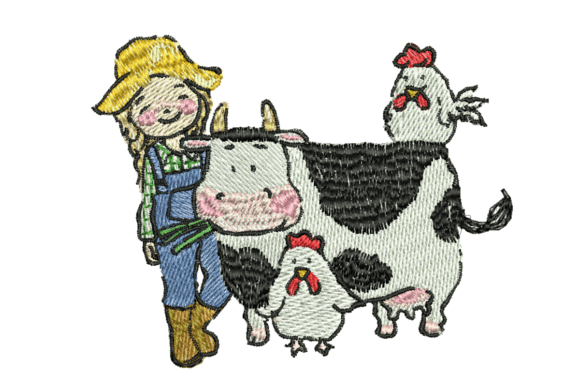
When evaluating a new machine embroidery design, my first question is never about the stitch count or file format compatibility. Instead, I ask whether this design has the personality to carry a finished product. As someone who creates both for personal joy and for a small business clientele, I look at the "Cowgirl" design through the lens of utility, marketability, and technical execution. This isn't just a digital asset; it is a potential centerpiece for custom apparel, nursery decor, or boutique merchandise. After reviewing the layout and aesthetic of Cowgirl within the Cowboy Amp category, here is my practical assessment for makers and sellers considering this file for their next embroidery project.
First Impressions and Visual Personality
The immediate mood of Cowgirl strikes a balance between nostalgic western heritage and modern playful charm. It avoids looking like a costume piece, which is a common pitfall in this genre. The silhouette feels intentional rather than generic, suggesting it was digitized with an understanding of how thread interacts with fabric texture. For an Etsy seller or handmade shop owner, this distinction matters. Customers are drawn to designs that feel curated and artistic rather than mass-produced clip art converted into stitches.
Visually, the design possesses enough negative space to prevent it from feeling heavy on lighter garments, yet it retains sufficient detail to stand out on structured items like denim jackets or canvas tote bags. The proportions suggest versatility; it does not appear overly tall or wide, making it a strong candidate for center-chest placement on sweatshirts or as a focal point on baby bibs and burp cloths. When I visualize this as a finished product, I see it working beautifully in earth tones, muted pastels, or classic red-white-blue palettes, depending on the target demographic.
Real-World Application: The Custom Tote Bag Test
To truly judge an embroidery file, I mentally place it in a specific production scenario. For Cowgirl, I envision creating a personalized gift set featuring a heavyweight canvas tote bag. Totes are high-value items for craft businesses because they serve as walking billboards for the maker’s skill. In this context, Cowgirl needs to perform under tension and maintain clarity against a coarse weave.
If I were stitching this today, I would pair the design with a sturdy cutaway stabilizer to support the canvas. The design’s likely mix of satin stitch outlines and fill stitch interiors would need to anchor securely without puckering. On a tote bag, the design must be legible from a distance while still offering interesting texture up close. Cowgirl appears to have the visual weight necessary for this application. Unlike delicate lace patterns that might get lost on heavy canvas, or dense photo-realistic portraits that could make the bag stiff and board-like, this design seems optimized for functional fashion accessories. It feels appropriate for a farmer’s market vendor, a western-themed wedding favor, or a personalized birthday gift for a horse-loving friend.
Technical Considerations for Apparel and Accessories
While the aesthetic is strong, technical performance dictates customer satisfaction. When using Cowgirl for custom apparel like t-shirts or hoodies, fabric choice becomes the primary variable. If you are working with stretchy knits, verify that the stitch density allows for movement. A design that is too dense will cause the fabric to tunnel or pucker, ruining the drape of a soft sweatshirt. Conversely, if the design relies heavily on running stitch details, ensure your top stabilizer is adequate to prevent those fine lines from sinking into fleece or terry cloth.
For smaller applications, such as baby embroidery or hat patches, caution is required. Always check the minimum recommended hoop size before purchasing or stitching. Scaling down a complex cowgirl motif can result in lost details or overlapping stitches that create holes in delicate fabrics. If you plan to use this for caps, confirm whether the design has been specifically digitized for curved surfaces. Standard flat embroidery files often distort when hooped on a cap frame unless they have been adjusted for the curvature. For kitchen towels or tea towels, consider the washing factor. Designs with excessive jump stitches or loose satin columns may not withstand frequent laundering, so inspect the digital preview for clean connections and secure tie-offs.
Commercial Viability for Makers and Sellers
For creative entrepreneurs, time is money. A reliable digital embroidery file should minimize troubleshooting and maximize output quality. Cowgirl fits well into several profitable niches. It is ideal for seasonal holiday embroidery, particularly for autumn festivals or rodeo events, but its classic styling also gives it year-round shelf life. This longevity is crucial for small shop products where you want to avoid constantly rotating inventory.
When listing finished items online, presentation drives sales. Because Cowgirl has a distinct character, it photographs well in printable mockups and lifestyle shots. However, do not rely solely on software renderings. Stitch out a sample on the actual fabric you intend to sell. Photographing the real texture builds buyer trust and demonstrates professionalism. If you are selling the digital embroidery file itself, provide clear notes on tested fabrics and recommended stabilizers. Buyers appreciate transparency regarding stitch density and color changes. Confirm your licensing terms explicitly; knowing whether you can use the design for commercial embroidery versus personal projects protects your business and respects the original digitizer.
Designer Notes for Best Results
Before committing Cowgirl to a final product, follow these practical steps to ensure success:
- Test on Scrap Fabric: Never stitch directly onto a sellable item without a test run. Use scraps of the exact same material and stabilizer combination to check for registration issues or tension problems.
- Evaluate Thread Contrast: Test the design in both high-contrast and low-contrast thread colors. Some details visible in dark thread may disappear in light thread, or vice versa. Adjust your color palette based on the fabric background.
- Check Stabilizer Pairing: Match your stabilizer to the fabric weight, not just the design size. Lightweight fabrics may require tear-away backing plus water-soluble topping, while denim might only need medium-weight cutaway.
- Inspect Small Details: Zoom in on the embroidery file to check for tiny text or intricate elements. If they look cluttered on screen, they will likely stitch poorly. Consider editing out non-essential elements for smaller hoop sizes.
- Verify Hoop Compatibility: Ensure the design dimensions fit comfortably within your machine’s maximum stitch area with room for proper hooping. Crowding the hoop edges leads to alignment errors.
- Review Color Sequence: Plan your thread changes efficiently. Grouping similar colors can reduce production time on multi-needle machines or minimize stops on single-needle models.
Final Thoughts on Value and Versatility
Cowgirl represents a solid addition to a maker’s library of design assets. It bridges the gap between niche western wear and broader boho-chic trends, making it relevant for diverse customer bases. Whether you are producing embroidered patches for denim vests, personalizing nursery blankets, or building a cohesive brand identity for a western boutique, this design offers the flexibility needed for professional results.
Success in machine embroidery comes from understanding the relationship between the digital file and the physical substrate. By respecting the technical requirements of stitch density, stabilizer selection, and fabric behavior, you transform a simple embroidery file into a premium handmade product. Take the time to test, adjust, and refine your process with Cowgirl, and it will likely become a dependable staple in your creative repertoire for years to come.