Backpack Watercolor for Camping Product Sales
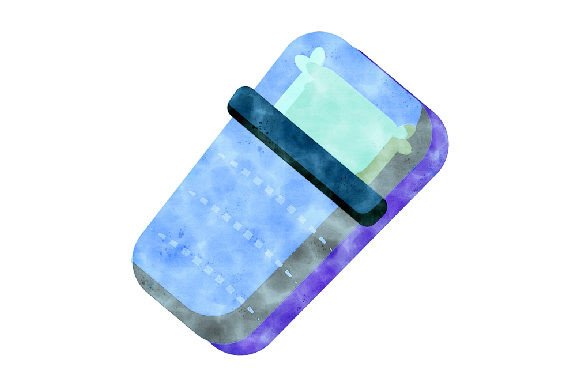
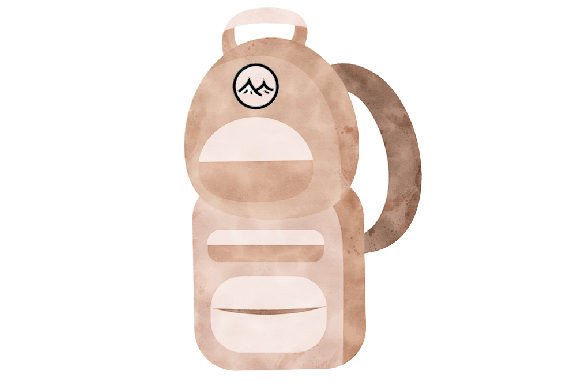
When evaluating a new graphic design asset for an online shop, the first question is always about commercial viability. As a digital product creator preparing a seasonal collection for Etsy and print-on-demand platforms, I recently tested the Backpack Watercolor illustration to see if it could anchor a profitable camping niche line. My initial impression was that this asset strikes a necessary balance between nostalgic charm and modern clarity. It avoids the overly cartoonish look that alienates adult buyers while retaining enough warmth to appeal to families and outdoor enthusiasts. The watercolor texture feels organic and handmade, which is crucial for establishing trust in the handmade business sector. For sellers targeting the glamping, hiking, or vintage outdoor aesthetic, this visual personality suggests adventure without being aggressive, making it a versatile foundation for various commercial design projects.
Testing Viability Across Digital and Physical Products
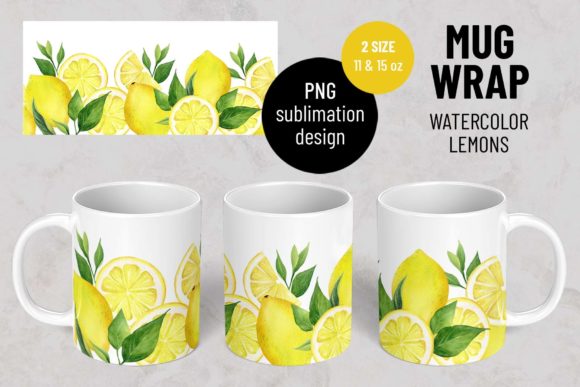
In a real shop scenario, a single illustration must perform across multiple formats to maximize return on investment. I tested this Backpack Watercolor asset specifically to determine its flexibility as both a standalone digital download and a component in larger design bundles. For SVG design users and Cricut project creators, the primary concern is cutability. Watercolor textures can sometimes result in jagged edges when converted to vector paths. In my testing, I found this asset works best as a layered PNG design rather than a complex cut file. The soft edges are perfect for sublimation design on tumblers and mugs, where the ink bleeds naturally into the coating, preserving the painterly effect. However, for vinyl t-shirt design or sticker design, I recommend using it as a print-then-cut element or pairing it with solid silhouette bases to ensure clean production results.
For Canva template sellers and content creators, this illustration serves as an excellent focal point for social media graphics and blog headers. I utilized it in a mockup for a camping planner printable design, placing the backpack centrally to establish visual hierarchy. The asset’s composition leaves adequate negative space, allowing for easy text overlay without obscuring the main subject. This is vital for invitation templates and greeting cards where readability is paramount. When creating a cohesive brand identity for a small business branding kit, this backpack pairs exceptionally well with rustic serif fonts or clean sans-serif typography, avoiding conflict with ornate script fonts that might compete with the watercolor details.
Evaluating Listing Presentation and Thumbnail Appeal
A beautiful asset fails if it does not convert views into sales. I assessed how Backpack Watercolor performs in the high-stakes environment of creative marketplace thumbnails. On a white background, the watercolor pigments pop with sufficient contrast to be recognizable at small sizes, which is essential for mobile shoppers browsing Etsy product listings. However, sellers should exercise caution when placing this asset on dark backgrounds. Unless the specific file includes a white underbase or halo effect, the softer watercolor edges may disappear against black or navy, reducing perceived value. For product mockup previews, I found the asset most effective when shown in context—such as on a tote bag or framed wall art—rather than as a flat digital file. This visual storytelling helps customers imagine the end result, significantly boosting click-through potential for print-on-demand items.
When bundling this item into a larger camping clipart collection or seasonal bundle, consistency is key. I verified that the color palette of this Backpack Watercolor harmonizes with other nature-themed illustrations like pine trees, tents, and campfires. This cohesion encourages customers to purchase the entire design bundle rather than individual files. For packaging design and promotional visuals, the asset conveys a premium, artisanal quality that justifies higher price points compared to generic vector art. It signals to the buyer that the shop owner has curated their inventory with intention, which builds long-term customer trust in a saturated market.
Technical Checks Before Publishing Your Listing
Before listing any commercial design asset, rigorous technical validation is non-negotiable. Based on my workflow, here are the critical checks I performed on this Backpack Watercolor file to ensure a smooth customer experience:
- Resolution Verification: Confirm the PNG design is at least 300 DPI at the intended print size. Watercolor details degrade quickly if upscaled, leading to pixelated prints on large merchandise.
- Transparency Inspection: Open the file in editing software to check for stray artifacts or incomplete erasure around the edges. Clean transparency is expected for professional clipart.
- Color Profile Check: Verify whether the file is RGB or CMYK. While RGB is standard for digital products, knowing this helps advise customers on potential color shifts for physical printing.
- Licensing Confirmation: Always re-read the commercial license terms. Ensure you have the right to use the asset in end products for sale, especially for print-on-demand fulfillment where the design is applied to third-party goods.
- Font Pairing Test: Pre-test the illustration with your shop’s standard font library. Document which typefaces work best so you can include styling tips in your product description, adding value for less experienced designers.
Strategic Limitations and Best Use Cases
While versatile, Backpack Watercolor is not a universal solution. Sellers must understand where this asset shines and where it struggles. It excels in decorative layouts, nursery prints, and lifestyle merchandise where texture adds emotional resonance. It is ideal for digital paper packs and scrapbooking kits where the organic feel enhances the tactile illusion. Conversely, avoid using this asset for tiny sticker details or intricate Cricut projects requiring precise weeding. The watercolor bleed makes fine lines difficult to cut cleanly, leading to customer frustration and potential refunds. Similarly, avoid using it in text-heavy templates where the busy texture reduces legibility.
For those selling on platforms like Creative Fabrica or Shopify, consider offering this asset in multiple variations. Providing a full-color version alongside a monochrome or outline version increases the utility for different Cricut project types and coloring book pages. When organizing files for customers, clear naming conventions are essential. Label files descriptively (e.g., "Camping_Backpack_Watercolor_PNG_300DPI") rather than using generic codes. This attention to detail reflects professionalism and reduces support inquiries. Ultimately, Backpack Watercolor is a strong contender for camping-themed shops, provided it is positioned correctly within your product ecosystem. By respecting its stylistic strengths and technical boundaries, you can leverage this illustration to create a distinctive, sellable collection that resonates with outdoor-loving buyers and fellow creatives alike.