Vintage Postal Stamp: Closet Monster Review
First Impressions of a Whimsical Watercolor Design
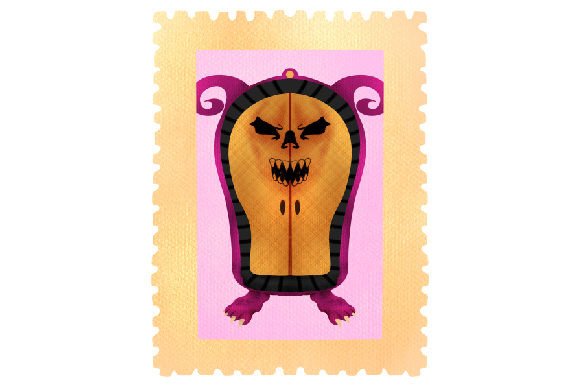
When I first loaded the Vintage Postal Stamp - the Closet Monster, Watercolor machine embroidery design into my software, I was immediately struck by the delicate balance between nostalgia and playful character. As an experienced designer who has stitched out countless fairy tale motifs, I look for more than just a cute image; I look for structural integrity in the digitizing. This design captures a specific mood that feels authentic to the Fairy Tales category without being overly juvenile. The watercolor aesthetic suggests a softness that translates beautifully to thread, but it also presents unique challenges regarding stitch density and color blending.
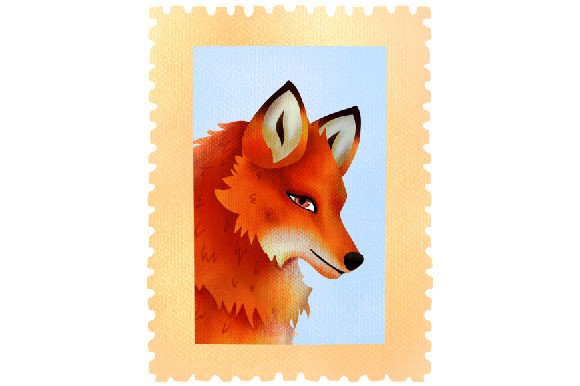
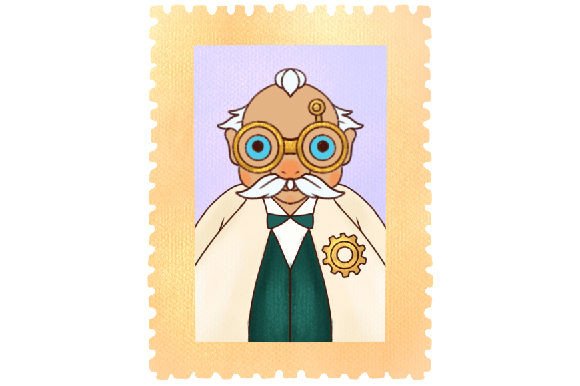
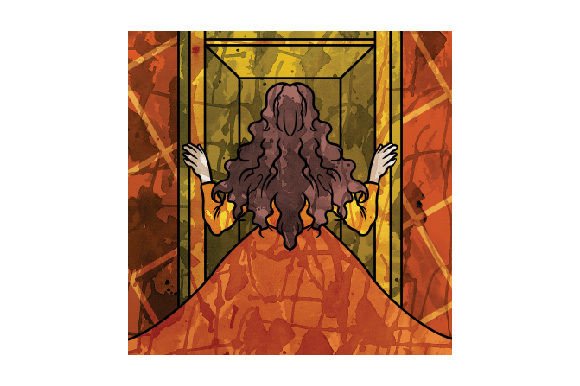
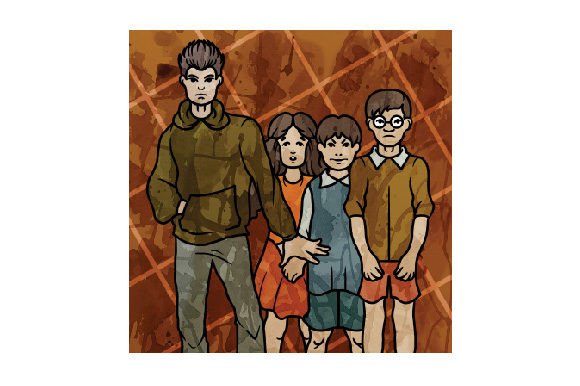
The layout mimics a classic postage stamp, complete with perforated edges and vintage typography. For a creative entrepreneur or Etsy seller, this framing device is incredibly valuable. It turns a simple character illustration into a collectible-looking motif. The Closet Monster itself is rendered with enough personality to be endearing rather than frightening, making it suitable for a wider demographic than typical monster designs. My initial assessment is that this digital embroidery file has strong potential for both personal projects and commercial embroidery products, provided the maker understands how watercolor-style fills interact with different fabric textures.
Real-World Application: Stitching a Custom Tote Bag
To truly evaluate this embroidery file, I decided to test it on a natural cotton canvas tote bag. Tote bags are a staple for any handmade product line, and they offer a stable, medium-weight surface that is ideal for testing stitch clarity. I wanted to see if the Vintage Postal Stamp - the Closet Monster, Watercolor would maintain its vintage charm when scaled to a 5x7 hoop size, which is a common dimension for bag placement.
During the stitching process, I paid close attention to the transition between the stamp border and the central figure. The running stitch used to simulate the perforated edge was crisp, which is essential for defining the shape against the canvas. The watercolor fill stitches within the monster’s body utilized varying thread colors to create depth. On the screen, this looks like paint; on the tote bag, it looked like high-end textile art. However, because watercolor styles often rely on lighter fill density to mimic transparency, I had to ensure my stabilizer was robust enough to prevent puckering while still allowing the fabric grain to show through slightly. The result was a personalized gift that felt boutique-ready. A customer receiving this bag would likely perceive it as a premium, artistic item rather than mass-produced merchandise.
Best Use Cases for Apparel and Nursery Decor
Beyond tote bags, this design shines in specific niches. For baby embroidery projects, the soft color palette and non-threatening monster theme make it perfect for onesies, bibs, or nursery pillow covers. The vintage stamp aesthetic adds a heirloom quality that parents love for keepsake items. When using this for custom apparel like sweatshirts or t-shirts, consider placing it on the chest pocket area or the upper back yoke. The contained shape of the stamp makes it easier to position than an irregular organic shape.
For small shop products and craft business owners, this design works exceptionally well as part of a series. Imagine a collection of "Fairy Tale Stamps" on tea towels or aprons. The uniform border creates brand consistency across different items, making your Etsy listings look cohesive and professional. It also serves as an excellent candidate for embroidered patches. Because the design already includes a defined border, converting it into a patch with a merrowed edge is a straightforward process that yields a highly sellable accessory.
Navigating Fabric Limitations and Technical Constraints
While the Vintage Postal Stamp - the Closet Monster, Watercolor is versatile, it requires careful consideration regarding fabric choice. Watercolor-style embroidery files are generally less forgiving on highly textured fabrics like terry cloth or thick fleece. The intricate details meant to simulate brushstrokes can get lost in the pile of the fabric. If you plan to use this on a kitchen towel or blanket, I strongly recommend using a water-soluble topping to keep the stitches visible and sharp.
Dark fabrics present another challenge. Watercolor designs often utilize pastel or muted thread colors to achieve their painterly effect. On black or navy fabric, these threads may lack contrast, causing the vintage details to disappear. Always test your thread colors against your chosen fabric background before committing to a full production run. Additionally, be cautious with stretchy knits. The satin stitch elements in the stamp border and the fill stitches in the character require adequate stabilization. Without proper cut-away stabilizer, the design may distort during washing, ruining the professional finish of your finished product.
Regarding sizing, avoid shrinking this design too small. The vintage typography and fine perforation details have a minimum threshold. If reduced below 3 inches in width, the text may become illegible and the running stitches may merge. Always check the specific dimensions in your embroidery software and respect the digitizer's intended scale to preserve the integrity of the artwork.
Professional Notes for Makers and Sellers
As someone who reviews design assets regularly, I cannot stress enough the importance of testing. Before listing a new sweatshirt embroidery product or selling a personalized gift featuring this motif, stitch it out on scrap fabric identical to your final product. Check the stitch density to ensure it isn't too heavy for lightweight linen or too sparse for denim. Verify that your machine handles the color changes smoothly, as watercolor effects often require multiple thread colors in rapid succession.
For those creating printable mockups for digital sales, ensure your preview accurately represents the texture of embroidery. Customers need to understand that this is a stitched interpretation of a watercolor painting, not a direct print. Clear communication builds trust and reduces returns. Furthermore, always review the licensing terms associated with this digital embroidery file. Confirm whether you are permitted to sell physical finished products, digital files, or both. Respecting intellectual property is fundamental to maintaining a reputable craft business.
- Stabilizer Selection: Use medium-weight cut-away for apparel and tear-away for stable woven fabrics like canvas.
- Thread Contrast: Test pastel threads on dark fabrics; consider a light underlay or fabric change if contrast is poor.
- Detail Preservation: Do not resize below the recommended minimum to protect tiny lettering and perforation effects.
- Commercial Viability: Ideal for nursery decor, vintage-themed apparel, and collectible-style patches.
- Fabric Compatibility: Best on smooth to medium-texture surfaces; use topping for high-pile fabrics.
Ultimately, the Vintage Postal Stamp - the Closet Monster, Watercolor is a charming addition to any embroiderer's library. It bridges the gap between whimsical fairy tales and sophisticated vintage aesthetics, offering makers a unique opportunity to create products that stand out in a crowded marketplace. By approaching this design with technical mindfulness and respecting its artistic nuances, you can transform a digital file into a tangible piece of art that customers will cherish. Whether you are decorating a holiday gift or expanding your shop's inventory, this design delivers both visual appeal and emotional resonance when executed with care.