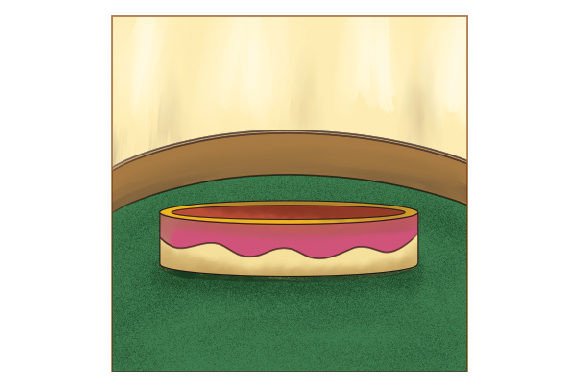
The Circus Stage Elephant: Fairy Tales Branding
As a brand designer who frequently audits visual assets for small business campaigns, my first impression of The Circus Stage - the Dancing Little Elephant - Watercolor was immediate warmth. In the crowded space of digital products and clipart, this illustration stands out because it balances whimsy with professional polish. The watercolor texture feels organic and handmade, avoiding the sterile, vector-sharp look that often plagues modern design assets. For marketers and content creators, this specific aesthetic signals authenticity. It evokes a sense of nostalgia and gentle storytelling, making it an ideal anchor for brands operating within the Fairy Tales niche, children’s education, or artisanal lifestyle sectors. The mood is celebratory yet soft, suggesting that this asset is best suited for brands that want to attract attention through charm rather than aggressive sales tactics.
Applying Whimsical Art to Real Marketing Campaigns
To truly evaluate this graphic design asset, I integrated it into a mock campaign for a boutique children’s book publisher launching a new seasonal collection. The goal was to create a cohesive visual identity across social media graphics, email newsletters, and packaging inserts without the design feeling disjointed. The Circus Stage - the Dancing Little Elephant - Watercolor served as the primary hero element. Because the illustration has a distinct focal point with ample negative space around the stage area, it functioned perfectly as a container for headline text in Instagram posts and Pinterest pins. This is a critical feature for content marketing; many illustrations are too busy to hold typography, but this piece respects visual hierarchy.
In this real-world application, the asset performed exceptionally well in editorial design and web design headers. The soft edges of the watercolor style allowed it to blend seamlessly into cream and pastel backgrounds, creating a premium feel for the book launch. When used on product labels and packaging design, the dancing elephant created an instant emotional connection with parents, reinforcing the narrative quality of the physical product. For digital sellers and online coaches in the creative parenting space, this type of imagery supports audience trust by visually aligning with the values of gentleness, imagination, and care. It transforms a standard promotional banner into a piece of art that followers actually want to save and share.
Strategic Placement for Maximum Visual Impact
Understanding where to deploy this creative design is just as important as the asset itself. Based on my testing, The Circus Stage - the Dancing Little Elephant - Watercolor excels in specific high-visibility areas where emotional resonance drives conversion.
- Hero Graphics and Campaign Headers: Use this as the central visual for website landing pages or blog post featured images. The theatrical nature of the "stage" concept naturally frames introductory content.
- Social Media Covers and Stories: The aspect ratio and composition work beautifully for Facebook covers and Instagram Story backgrounds, providing a branded frame for daily updates.
- Printable Design and Merchandise: As a PNG design or SVG design, it scales well for stickers, greeting cards, and nursery wall art. The watercolor texture retains its integrity even when printed on textured paper.
- Email Banners and Lead Magnets: Soften the commercial edge of newsletters by using this illustration in headers. It increases open rates by making the email feel like a personal invitation rather than a corporate blast.
- Packaging Accents: For small business branding involving physical goods, use this as a secondary pattern element or a thank-you card insert to elevate the unboxing experience.
These applications leverage the asset's strength: its ability to tell a story at a glance. For creative entrepreneurs building a content kit, this single illustration can anchor dozens of templates, ensuring consistent branding across all touchpoints.
Navigating Limitations and Contextual Fit
While versatile, The Circus Stage - the Dancing Little Elephant - Watercolor is not a universal solution. Professional branding requires knowing when not to use an asset. This illustration carries a heavy load of personality and specific thematic weight. It should be used with extreme caution in formal corporate branding, financial services, or tech-forward SaaS companies where such whimsy might undermine perceptions of authority or security. Additionally, because watercolor relies on subtle tonal shifts, this asset struggles against low-contrast backgrounds or dark modes unless properly masked.
I also advise against using this in dense information layouts or text-heavy digital ads. The intricate details of the dancing elephant and the stage curtains can compete with small body copy, reducing readability and cluttering the visual hierarchy. If your Canva template is already packed with elements, this illustration may overwhelm the design. Furthermore, overly minimal brands might find the ornate nature of the circus theme clashes with their clean, grid-based aesthetic. Always preview the asset at actual mobile screen sizes; what looks balanced on a desktop monitor may appear cramped or illegible on a phone screen. Finally, ensure you verify the commercial license before incorporating this into paid Facebook ads or client work to avoid legal complications.
Technical Integration Notes for Designers
For fellow designers and marketers preparing to add this to their design bundle or asset library, practical testing is non-negotiable. Before finalizing any campaign featuring The Circus Stage - the Dancing Little Elephant - Watercolor, run through this technical checklist to ensure professional results:
- Palette Compatibility Test: Place the asset next to your existing brand color palette. Watercolors often contain hidden undertones; ensure the blues or pinks in the elephant do not clash with your primary brand colors.
- Typography Pairing: Test the illustration against various font styles. It pairs naturally with handwritten fonts and elegant serifs for a storybook look. However, if aiming for a modern twist, try a bold geometric sans-serif to create an intentional contrast between old-world art and contemporary layout.
- Grayscale Check: Convert the asset to black and white. Does it still read clearly? If the watercolor washes turn into a muddy gray blob, the asset may not be suitable for single-color printing or fax-friendly documents.
- Mockup Validation: Never judge the asset in isolation. Place it inside real campaign mockups, such as a tote bag, a mobile screen, or a book cover. This reveals how the texture interacts with different materials and lighting conditions.
- Competitor Audit: Search for similar circus or elephant clipart in your niche. Ensure this specific rendering offers enough unique character to distinguish your brand from competitors using generic stock vectors.
- Licensing Verification: Double-check the terms for the specific file format you are using. Some creative marketplace listings differentiate between personal use and commercial design rights, especially for print-on-demand products.
By treating The Circus Stage - the Dancing Little Elephant - Watercolor as a strategic communication tool rather than mere decoration, brand owners and content creators can unlock its full potential. It bridges the gap between artistic expression and commercial viability, offering a tangible way to infuse Fairy Tales magic into modern marketing visuals while maintaining the professional standards necessary for business growth.