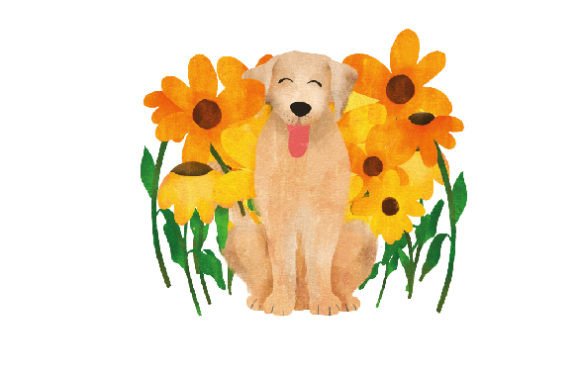
Happy Dog in Sunflower Garden: Spring Watercolor Asset
As a digital publisher and blog designer, my first interaction with any new graphic design asset is always critical. I am not just looking for something pretty; I am evaluating whether an image can carry the weight of a content strategy. When I first loaded Happy Dog in Sunflower Garden, Watercolor into my workspace, the immediate impression was one of organic warmth and authentic joy. This is not a sterile stock photo or a rigid vector illustration. It possesses the fluid, emotive quality that defines high-end editorial design. The watercolor medium softens the edges, creating an approachable texture that signals to the reader that the content within is personal, curated, and safe.
For publishers operating in lifestyle, pet care, gardening, or seasonal wellness niches, this asset establishes a specific mood instantly. It feels feminine without being juvenile, and playful without lacking sophistication. In the context of Spring content planning, it serves as a perfect visual anchor. It bridges the gap between professional web design standards and the cozy, aspirational aesthetic that drives engagement in modern blogging. It tells the reader that they have arrived at a destination that values both beauty and substance.
Deploying the Asset Across Real Publishing Workflows
In a real-world publishing environment, versatility is non-negotiable. I tested Happy Dog in Sunflower Garden, Watercolor across multiple formats to see how it performs under pressure. As a featured image for a blog post about seasonal pet safety or spring garden preparation, it works exceptionally well. The composition leaves adequate negative space, which is crucial for overlaying headlines without obscuring the subject. This makes it ideal for website header use, where text readability must coexist with visual impact.
For social media strategists, this asset translates beautifully into Pinterest pin designs. Pinterest users respond to vertical imagery that evokes emotion, and the watercolor style naturally stops the scroll. I found that pairing this graphic with bold serif typography created a high-performing pin template for affiliate articles regarding dog-friendly outdoor gear. Furthermore, because the style is distinct yet neutral, it functions effectively as a recurring element in Canva template systems. You can use it to create a cohesive series of social media graphics for Instagram stories or Facebook shares, reinforcing your brand identity through consistent visual cues.
Beyond standard blog visuals, this asset has significant potential for digital product creation. If you are developing a lead magnet such as a "Spring Pet Care Checklist" or a gardening planner, this watercolor illustration adds perceived value. It transforms a simple PDF into a polished printable design that subscribers actually want to keep. For online educators or coaches, it softens the learning environment when used in slide decks or digital guide covers, making educational content feel more accessible and less clinical.
Enhancing Content Performance and Reader Trust
We often discuss SEO in terms of keywords, but visual hierarchy plays a massive role in user retention and click-through rates. Happy Dog in Sunflower Garden, Watercolor supports content performance by reducing cognitive load. The soft colors and familiar subject matter create a sense of ease, encouraging readers to stay on the page longer. In content marketing, trust is built through consistency and quality. Using low-resolution or generic clip art erodes that trust immediately. Conversely, utilizing high-quality design assets like this signals professionalism.
From an affiliate marketing perspective, this image helps contextualize products. Instead of showing a cold product shot of dog shampoo or garden tools, you can use this watercolor piece as a background or accent to frame the product in a lifestyle setting. This narrative approach typically yields higher conversion rates because it sells the feeling associated with the product, not just the utility. Additionally, for sites relying on display ads, aesthetically pleasing blog graphics improve overall site metrics, which can positively influence ad revenue over time.
Strategic Placement: Where It Shines and Where to Pause
While this asset is versatile, strategic placement is key to maintaining editorial integrity. It works best in areas where emotional connection is the primary goal. Use it for hero images on category pages dedicated to pets or seasonal living. It is excellent for newsletter headers, setting a welcoming tone before the subscriber even reads the first line. It also serves as a wonderful decorative accent for pull quotes or sidebar widgets in long-form articles.
However, exercise caution in specific contexts. Avoid using this watercolor piece for highly technical tutorials, serious legal disclaimers, or corporate B2B content where precision outweighs emotion. The softness of the medium might undermine the authority needed for those topics. Additionally, be mindful when using it as a small mobile thumbnail. Watercolor details can get lost at reduced sizes, potentially looking muddy rather than artistic. Always ensure there is sufficient contrast if you plan to place text directly over the darker sunflower elements; otherwise, accessibility and readability will suffer.
Publisher Notes: Technical Checks and Licensing
Before integrating Happy Dog in Sunflower Garden, Watercolor into your live site, run through this practical checklist to ensure professional execution:
- Test Across Devices: View the image on a 4K monitor, a standard laptop, and a smartphone. Ensure the color profile remains consistent and the focal point isn't cropped awkwardly on mobile.
- Typography Pairing: Test the asset against your brand fonts. I found it pairs beautifully with elegant serifs for a classic editorial look, and clean sans-serifs for a modern feel. Avoid overly distressed handwritten fonts, as they may compete with the organic texture of the watercolor.
- Web Performance: Watercolor files can sometimes be large due to color variation. Always compress the file using WebP format or optimized JPEG settings to maintain fast load times. A beautiful image that slows down your site hurts SEO.
- Contrast Verification: If using as a header background, apply a subtle white or dark overlay to guarantee WCAG accessibility standards for text contrast.
- Licensing Compliance: This is critical for monetized sites. Confirm the commercial license specifics before using this on affiliate pages, sponsored posts, or within paid digital download products. Never assume personal-use rights extend to commercial publishing.
- Black and White Test: Convert the image to grayscale to check its tonal balance. A strong graphic should still read clearly without color, ensuring it works in print layouts or minimalist design modes.
Ultimately, Happy Dog in Sunflower Garden, Watercolor is more than just a seasonal decoration. It is a functional tool for small business branding and creative entrepreneurship. Whether you are sourcing from a creative marketplace or building a proprietary library, assets like this elevate your platform from a simple website to a curated digital publication. By treating this graphic with the same strategic consideration as your written copy, you ensure that every pixel contributes to your broader publishing goals. The result is a cohesive, trustworthy, and visually compelling experience that resonates with your audience long after the spring season has passed.