Cleaning Checklist Print Templates for Local Branding
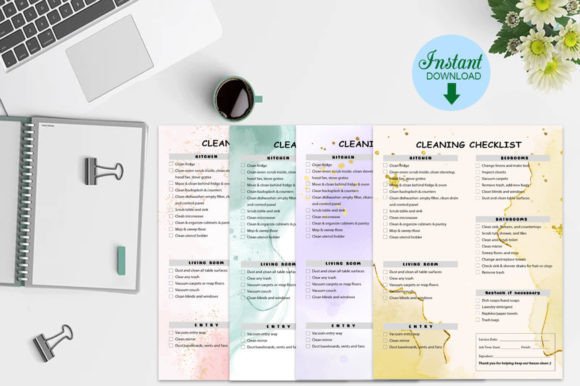
As a brand designer specializing in local business identity and packaging, my first impression of the Cleaning Checklist Cleaning Schedule asset was one of structured clarity mixed with approachable utility. In the world of small business branding, specifically for service-based entrepreneurs or product sellers who emphasize hygiene and care, visual organization is just as important as aesthetic beauty. This graphic design asset immediately suggests a brand personality that is trustworthy, meticulous, and transparent. It does not scream luxury in the traditional sense; rather, it communicates reliability and professional standards. For a local cleaning service, an Airbnb host, or even a handmade skincare business that wants to showcase their sanitation processes, this template sets a mood of competent care. It feels modern yet functional, bridging the gap between administrative necessity and customer-facing marketing visuals.
Elevating Service Trust Through Visual Hierarchy
When evaluating this asset for a real-world project, I envision using it for a boutique residential cleaning company or a specialized eco-friendly home care brand. In these sectors, the Cleaning Checklist Cleaning Schedule serves as more than just an internal document; it becomes a tangible touchpoint of the brand identity. The design supports business presentation by establishing a stronger first impression of competence. When a client receives a beautifully formatted checklist rather than a messy handwritten note, their trust in the service increases significantly. The visual hierarchy inherent in this printable design guides the eye logically, ensuring that critical tasks are noticed and verified. This level of detail in commercial design signals to the customer that the business takes pride in every aspect of their work, from the actual cleaning to the paperwork that confirms it.
For product sellers, particularly those in the food or children’s product space, this asset can be adapted into transparency markers. Imagine a jar of handmade baby food or a bottle of organic surface spray featuring a miniaturized version of this checklist on the back label. It transforms a standard product label into a storytelling device, reassuring parents or health-conscious consumers about safety protocols. This application turns a simple print template into a powerful tool for emotional connection and shelf appeal.
Practical Applications Across Packaging and Promotion
The versatility of the Cleaning Checklist Cleaning Schedule extends well beyond a single sheet of paper. As part of a comprehensive brand identity system, this asset can be repurposed across various mediums to maintain consistency. In my recent projects for local businesses, I have found that cohesive marketing visuals are key to recognition. Here is how this asset functions in different contexts:
- Social Media Graphics: Break down the checklist into carousel posts for Instagram or LinkedIn. Each slide can highlight a specific cleaning step or tip, positioning the business as an expert authority while utilizing consistent brand colors and typography.
- Packaging Inserts: For subscription boxes or retail products, include a branded card featuring the schedule. This adds perceived value and encourages repeat engagement with the physical product.
- Website Banners and Digital Products: Use the layout as a lead magnet or free download on a service website. High-quality web design relies on useful content, and offering a functional tool builds email lists effectively.
- Staff Training Materials: Internal branding matters. Using this polished template for employee handbooks ensures staff adhere to standards while feeling part of a professional organization.
- Promotional Flyers: Adapt the grid structure for seasonal deep-cleaning campaigns, where the checklist format naturally organizes service offerings and pricing tiers.
These applications demonstrate how a single graphic design asset can anchor a multi-channel strategy, reinforcing the brand message at every customer touchpoint.
Where Design Functionality Meets Aesthetic Caution
While the Cleaning Checklist Cleaning Schedule is highly effective, a seasoned designer knows where to apply restraint. This asset works best when there is ample whitespace and a clear purpose. It shines as a hero graphic on a "Our Process" page or as a dedicated insert card. However, it should be used carefully in environments where information density is already high. Avoid placing this detailed layout on very small labels or crowded product packaging where legibility is compromised. If the text size drops below 6pt to fit the grid, the design fails its primary function.
Furthermore, this style may clash with ultra-luxury minimalist brands that rely on abstraction and negative space rather than explicit instruction. In such cases, the utilitarian nature of a checklist might feel too industrial or clinical. Similarly, avoid using this decorative element in legal information areas or ingredient lists where regulatory compliance requires specific formatting. The decoration should never compete with mandatory text. Always prioritize readability over stylistic flair, especially in commercial design intended for public consumption.
Technical Evaluation for Professional Production
Before integrating the Cleaning Checklist Cleaning Schedule into a client deliverable, rigorous technical testing is non-negotiable. As professionals, we must ensure that digital assets translate perfectly to physical media. My evaluation process includes several critical checks to guarantee production readiness:
- Print Quality Verification: Always test print the template at 100% scale. Screen resolution often deceives; fine lines or light gray text that looks crisp on a monitor may disappear or pixelate on uncoated paper stock common in small business printing.
- Vector Editability: Confirm if the file is a true SVG design or merely a raster image. For professional branding, vector editability is essential to adjust line weights, swap colors for brand alignment, and resize without quality loss.
- Typography Pairing: Test the asset beside your chosen typeface. Does the checklist font complement your serif header or sans-serif body copy? Mismatched typography can make even a premium template look like generic clipart.
- Color Mode Conversion: Check CMYK compatibility. Vibrant RGB screen colors often dull in print. Adjust values beforehand to ensure the final product matches the digital proof.
- Licensing Compliance: Scrutinize the commercial license terms. Ensure you have the right to use the asset for client work, resale, or unlimited prints. Protecting your business legally is as important as the design itself.
Additionally, I recommend creating a black-and-white version of the checklist. Many local businesses operate on tight budgets and may need to photocopy forms or print on monochrome office printers. Ensuring the Cleaning Checklist Cleaning Schedule retains its visual hierarchy and legibility in grayscale demonstrates thoughtful, practical design thinking. Compare the asset against competitor materials to ensure distinctiveness; if everyone uses the same stock checklist, customize it heavily to maintain unique brand recognition.
Building Lasting Value with Intentional Assets
Ultimately, the Cleaning Checklist Cleaning Schedule represents a strategic opportunity for local businesses to visualize their commitment to quality. Whether used for internal operations or external marketing visuals, it bridges the gap between abstract brand promises and concrete customer experiences. By treating this print template not just as a form but as a core component of brand identity, designers can help small business owners communicate professionalism, safety, and care. The success of such an asset lies not in its decorative complexity, but in its ability to serve the business goals clearly and consistently. When executed with technical precision and strategic intent, this graphic design asset becomes an invaluable tool for building trust and elevating the perceived value of any service or product-based enterprise.